
Good morning,
As we delve into today’s real estate market, it’s clear that we are witnessing a crucial shift in opportunities that will extend into 2026 and beyond. The housing market serves not only as a vital component of our economy but also as a significant indicator of economic health and a catalyst for wealth creation among individuals and families. It is shaped by numerous factors, including various economic indicators. As we approach the new year, we find ourselves in the midst of significant transformations within the housing market, primarily driven by declining mortgage rates. These changes are reshaping the landscape for prospective homeowners, sellers, and investors alike.
The current environment presents a dual-edged sword of opportunities and challenges. On one side, lower mortgage rates have made homeownership increasingly accessible, particularly for first-time buyers who have historically encountered barriers to entering the market. Conversely, the housing market is grappling with persistent inventory shortages, which have resulted in heightened competition and rising prices in numerous regions. Today, we will explore the current trends that are impacting the housing market, analyzing what we might expect as we make our final push into 2026, with 2027 just around the corner.
Declining Mortgage Rates
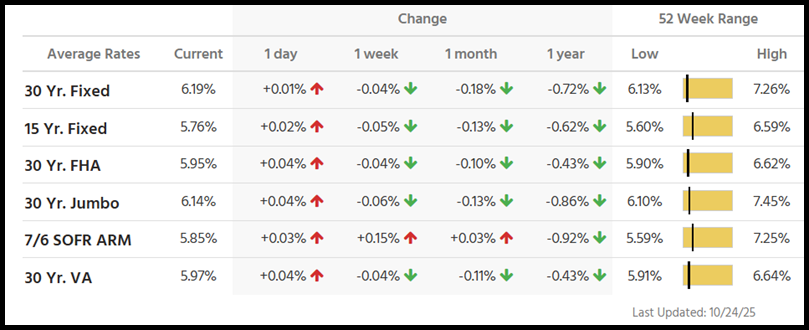
Recently, mortgage rates have begun to decline, with the average 30-year fixed mortgage rate dipping below 6% last week, down from an average of 6.8% earlier this year. This reduction marks a significant improvement, as a mere 1% decrease in mortgage rates can enhance home affordability by approximately 10% for buyers. Lower mortgage rates translate into reduced monthly payments, thus making homeownership attainable for a broader spectrum of buyers. As borrowing costs decrease, we are witnessing a noticeable surge in interest from first-time homebuyers and real estate investors, which is further stimulating demand in the housing market.
The reduction in mortgage rates has sparked a resurgence in homebuying and refinancing activity, resulting in a 10 to 12% increase in home sales this fall across various regions and local counties compared to data from previous quarters, according to the National Association of Realtors (NAR). This renewed interest is contributing to the stabilization of home prices in many areas, with an average annual increase of 8% in metropolitan regions as buyers compete for a limited number of available properties. Consequently, sellers may find themselves in a favorable position, witnessing increased home values and equity. Could this be the year we begin to see sellers unlocking their historically lower mortgage rates from the pandemic era?
Despite the surge in demand, the housing market continues to confront significant inventory challenges. The total number of homes available for sale has decreased by 25% compared to the same time last year, intensifying competition among buyers. This scarcity has resulted in 60% of homes sold in September receiving multiple offers, highlighting a competitive environment for buyers. While rising demand typically favors buyers, the limited inventory often grants sellers leverage in negotiations, particularly in desirable locations. This dynamic can lead to bidding wars, driving prices higher and complicating the buying process for those with budget constraints.
Implications of Declining Mortgage Rates for Homebuyers and the Market
The trend of declining mortgage rates is anticipated to persist, fueled by stable inflation rates, shifts in Federal Reserve policy, and ongoing economic recovery efforts. As mortgage rates remain low, they are likely to enhance affordability, enabling more buyers to qualify for financing. This trend could lead to a significant uptick in demand, particularly among first-time homebuyers who have historically faced challenges entering the market due to elevated borrowing costs. With lower mortgage rates, many prospective buyers who previously hesitated may feel emboldened to make a purchase. This surge in demand has the potential to invigorate market activity, resulting in increased transactions and revitalizing local economies.
As demand escalates, competition for available properties may lead to price stabilization in various regions. However, in highly sought-after areas, continued appreciation in home values is possible, with some markets potentially experiencing double-digit growth. The balance between demand and inventory will be critical; should inventory levels remain low, bidding wars could further elevate prices, making it essential for buyers to act swiftly and strategically. Lower mortgage rates and heightened buyer activity could create lucrative opportunities for real estate investors. Many investors may look to capitalize on the growing demand for rental properties as more individuals transition from renting to owning. Additionally, investors should consider regions poised for price increases, focusing on markets with strong job growth and demographic trends that support long-term appreciation. While the outlook for the housing market appears positive, several key considerations will shape the decision-making processes for buyers, sellers, and you as the real estate agent at the heart of these conversations.
Looking ahead to the remainder of 2026 and into 2027, we should maintain a cautiously optimistic perspective on the housing market, particularly in light of the anticipated continuation of declining mortgage rates. Several factors will contribute to this outlook, influencing the market’s trajectory and shaping buyer behavior, seller strategies, and investment decisions. In summary, the future of the housing market seems promising, driven by declining mortgage rates and renewed buyer interest. However, all stakeholders must remain vigilant and proactive in their strategies, leveraging available data and insights to navigate this evolving landscape successfully. By understanding the implications of declining mortgage rates and adapting to market conditions, buyers, sellers, and investors can position themselves for success in the years ahead. As we approach 2026, maintaining a cautiously optimistic outlook is essential. By staying informed and proactive, all stakeholders can navigate the complexities of the housing market and leverage current trends to their advantage. With the right strategies in place, the coming years promise a landscape rich with opportunity and potential for wealth creation in real estate.
**New Mortgage Rate Trends—These rates are calculated from actual locked rates with consumers across 47% of all mortgage transactions nationwide, encompassing a combination of buyers who do not pay points and those who do. **