
Good morning,
As we approach the winter months, it’s becoming increasingly clear that the housing market is poised for a vibrant period in the first half of 2026. One of the most frequently asked questions on everyone’s mind is whether mortgage rates will continue to decline. Unfortunately, it’s challenging to provide a definitive answer, especially with so many dynamic factors influencing the economy right now. There’s no straightforward roadmap to predict how these rates will evolve. Reflecting on the past two decades, it’s undeniable that we’ve experienced an incredible journey in the real estate and lending professions. From significant market fluctuations to unprecedented lending practices, the landscape has shifted dramatically.
Today, let’s take a moment to look back at the historic changes in interest rates and how they have shaped our industry. Understanding these trends will help us navigate the current market and anticipate what’s to come.
The Incredible Journey of Mortgage Rates
Let’s talk about the rollercoaster ride of mortgage rates! From 2007 to 2021, we saw a significant decline in rates that sparked an impressive recovery in the housing market. However, since the pandemic, we’ve experienced a dramatic shift in the mortgage landscape. As the economy started to bounce back from COVID-19, mortgage rates began to rise significantly, influenced by various economic factors and Federal Reserve policies.
A Historic Twenty Years
The last 20 years in real estate have truly been historic. We’ve witnessed everything from heartbreaking foreclosures to the excitement of ultra-low mortgage rates and now, the sharp increase in rates post-pandemic.
- Market Transformation: After the housing recession that kicked off in 2007, the real estate scene has changed drastically. Once filled with uncertainty and declining home values, the market has now become vibrant, thanks in large part to the notable drop-in mortgage rates, especially since 2021. This decline revitalized the housing market and made the dream of homeownership a reality for many Americans.
- The Aftermath of the 2000s Crisis: The late 2000s housing crisis served as a wake-up call. Widespread foreclosures and falling property values threatened the American dream. Thankfully, aggressive interest rate cuts by the Federal Reserve paved the way for recovery. By 2021, mortgage rates hit historic lows, dipping below 3%, which made homeownership more accessible than ever. This surge in demand not only boosted home sales but also supported sectors like construction and retail, driving property values up and restoring equity for many homeowners.
What a wild ride we’ve been on in real estate! While the recovery has brought many benefits, we’re now facing some challenges, especially regarding affordability. As demand continues to outstrip supply, prices are rising, making it tougher for first-time homebuyers to enter the market. Plus, the possibility of future interest rate hikes could add even more pressure on affordability. Reflecting on this extraordinary period, it’s important to stay cautiously optimistic. The lessons learned from past crises remind us of the need for sustainable growth and financial responsibility to avoid repeating previous mistakes.
- Supply and Demand Dynamics: The drop-in mortgage rates made homeownership more appealing, which led to a surge in buyers. This increased competition has driven up prices and reduced inventory. Unfortunately, the supply of homes hasn’t kept pace due to factors like labor shortages, supply chain issues, and rising construction costs, which have hindered new home construction. This mismatch between high demand and limited supply has resulted in a direct shortage of homes for sale.
Is There Such a Thing as “Normal”??????
This brings us to an interesting question: Is there really a “normal” in the real estate market? I often hear people wishing for a return to normalcy. But honestly, in my 30 years in this industry, has there ever truly been a normal? The market has always experienced wild swings, and it’s worth looking back at those fluctuations to understand where we are today.
The historical trend in mortgage rates over a 15-year period from 2007 to 2021.
- Significant Decline: The data shows a notable decrease in mortgage rates from a peak of 6.34% in 2007 to a historic low of 2.96% in 2021. This represents a decline of over 3 percentage points within 14 years, which is considerable in the context of mortgage financing as well as the unprecedented levels of homeowners refinancing.
- Historic Lows: The rates falling below 3% in 2021 marked the first time in history that mortgage rates reached such a low point, making homeownership more accessible for many Americans.
- Market Impact: This decline has revitalized the housing market, enabling many potential buyers to enter the market and stimulating other sectors such as construction and retail. The impact of such low rates can be seen in increased home sales and rising property values during this period.
- Long-Term Trend: The steady decline after the 2008 financial crisis, particularly the dramatic drop post-2020, showcases the Federal Reserve’s influence on interest rates through monetary policy, especially during economic downturns.
Yearly Breakdown of Mortgage Rates (2007-2021)
- 2007: 6.34%
- 2008: 5.19%
- 2009: 5.04%
- 2010: 4.69%
- 2011: 4.45%
- 2012: 3.66%
- 2013: 4.46%
- 2014: 4.17%
- 2015: 3.85%
- 2016: 3.65%
- 2017: 3.99%
- 2018: 4.54%
- 2019: 3.94%
- 2020: 3.11%
- 2021: 2.96%
Rising Mortgage Rates During the Pandemic Era
The COVID-19 pandemic significantly impacted the housing market, leading to a unique set of circumstances for mortgage rates. Initially, in response to the economic uncertainty caused by the pandemic, the Federal Reserve implemented aggressive monetary policies, including lowering interest rates to historic lows. This resulted in mortgage rates falling below 3% for the first time, making homeownership more accessible and fueling a surge in demand. The economy began to recover, and inflationary pressures mounted, mortgage rates started to rise. By 2022 and into 2023, we witnessed a significant increase in rates, with the average surpassing 7% at times. This rise can be attributed to several factors:
- Inflation Concerns: As the economy reopened and demand surged, inflation rates increased, prompting the Federal Reserve to shift its strategy and raise interest rates to combat rising prices.
- Supply Chain Issues: Disruptions caused by the pandemic led to increased costs for materials and labor, further driving inflation and contributing to higher mortgage rates.
- Demand Dynamics: The initial surge in homebuying, combined with a limited housing supply, created competitive bidding environments that drove prices—and consequently borrowing costs—up.
Likelihood of Rates Falling Below 5% Again
Given that the historical average mortgage rate in the mid 7’s, the likelihood of rates falling below 5% again depends on several factors:
- Federal Reserve Policies: If the Fed determines that inflation is under control and the economy shows signs of weakening, it may consider lowering interest rates again. This could potentially lead to a decline in mortgage rates. However, if inflation remains persistent, the Fed may continue to raise rates, keeping mortgage rates elevated.
- Economic Conditions: A recession or significant economic slowdown could prompt the Fed to lower rates to stimulate growth. In such a scenario, mortgage rates could dip below 5%. Conversely, a robust economy with high inflation may keep rates higher for an extended period.
- Market Stability: If financial markets stabilize and consumer sentiment improves, there may be less upward pressure on rates. However, ongoing global economic uncertainties could lead to fluctuations in borrowing costs.
- Supply and Demand: A significant increase in housing supply, combined with a decrease in demand, could lead to lower home prices and corresponding mortgage rates. Conversely, continued strong demand with limited supply will likely keep rates elevated.
Conclusion
While the possibility of mortgage rates falling below 5% again exists, especially if economic conditions shift or inflation subsides, it is challenging to predict with certainty. Homebuyers and investors should remain vigilant and consider current market trends and indicators when making decisions. Understanding these dynamics can help navigate the complexities of the housing market in the coming years. Quantitative easing is crucial during economic downturns, facilitating liquidity, lowering interest rates, and stimulating lending. Although effective in mitigating recession impacts, it carries long-term risks that must be managed as the economy stabilizes. As we navigate this evolving landscape, celebrating the achievements while being mindful of the challenges ahead will be essential to ensuring that the American dream of homeownership remains within reach for future generations.
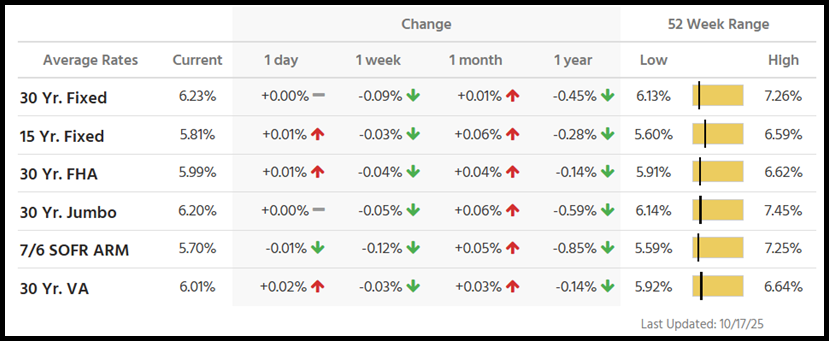
**New Mortgage Rate Trends—These rates are calculated from actual locked rates with consumers across 47% of all mortgage transactions nationwide, encompassing a combination of buyers who do not pay points and those who do. **